Bounty Hunter Logo E-Sport Gaming Review
As a designer who has spent countless hours digitizing and stitching out logos for clients ranging from local sports teams to boutique apparel brands, I approach every new machine embroidery design with a critical eye. It is not enough for a graphic to look sharp on a screen; it must translate flawlessly into thread, needle, and fabric. Recently, I evaluated the Bounty Hunter Logo E-Sport Gaming to determine its viability for real-world production. This is not just a digital asset; it is a potential cornerstone for a craft business or a personalized gift line.
First Impressions: Aggressive Energy Meets Stitchable Structure
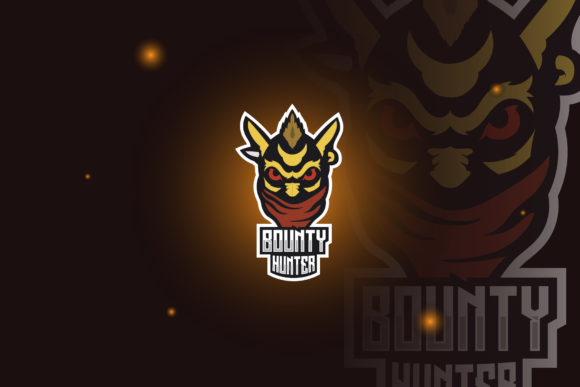
The moment you load the Bounty Hunter Logo E-Sport Gaming into your viewer, the mood is unmistakable. It carries that quintessential esports aesthetic—bold, aggressive, and dynamic. The mascot-style character features sharp angles and a confident stance that screams competition. For an embroidery designer, the immediate question is always about complexity. Does the intricate detailing of the mask and armor hold up, or will it turn into a messy blob of thread?
Fortunately, the layout suggests a thoughtful balance. The visual personality is strong, relying on high-contrast shapes rather than subtle gradients, which is ideal for embroidery. Since this product falls under the category of Logos and Graphics, it is designed to be recognizable at a glance. In my experience, mascot logos like this one perform best when the key features—eyes, jawline, and primary armor plates—are defined by clear satin stitches or dense fill stitches, while secondary details are simplified. This design appears to respect those boundaries, making it a promising candidate for various embroidery projects.
Real-World Application: From Hoodies to Patches
To truly test the value of this design, I imagined a specific scenario: a local gaming squad looking to upgrade their team merchandise. They needed something that looked professional on heavy cotton sweatshirts but also worked as a smaller emblem on caps. This is where the versatility of the Bounty Hunter Logo E-Sport Gaming comes into play.
For sweatshirt embroidery, the bold lines of the bounty hunter mascot would pop beautifully against heather grey or black fleece. The design’s inherent thickness allows it to sit well on textured fabrics without getting lost in the pile. If I were producing this for a client, I would likely use it as a chest logo on a zip-up hoodie, ensuring the hoop size is large enough to capture the full width of the character without excessive scaling that might compromise stitch integrity.
Another excellent application is the embroidered patch. Esports fans love collectibles, and a velcro-backed patch featuring this logo could be a high-margin item for an Etsy seller or small shop owner. Because the design is vector-based and editable in Adobe Illustrator, as noted in the description, you can isolate specific elements if needed. However, for a patch, keeping the full mascot intact creates a stronger brand identity. The sharp edges of the helmet and weapon elements would require precise trimming and possibly a merrowed border to finish the look professionally.
Navigating Technical Challenges in Stitching
While the design is visually striking, practical embroidery requires managing technical limitations. One area where I would exercise caution is with small hoop sizes. If you attempt to shrink this logo down for a baby onesie or a small pocket on a cap, the finer details of the face and armor may merge. The stitch density becomes a critical factor here. If the original digitizing is too dense for small scales, it can cause fabric puckering, especially on stretchy materials like jersey knits used in custom apparel.
When working with dark fabric, thread color contrast is paramount. The bounty hunter theme often utilizes metallics, greys, and vibrant accent colors like neon green or orange. On a black t-shirt, you must ensure that the dark shades in the design have enough separation from the background. I recommend running a test stitch on scrap fabric first. Check if the shadow areas are distinct or if they disappear into the cloth. Using a lighter underlay or adjusting the thread chart can save a finished product from looking muddy.
Additionally, consider the fabric texture. For a tote bag design made of canvas, the sturdy weave supports heavier stitching. However, if you are applying this to a silky holiday embroidery project or a delicate pillow cover, the pull of the threads could distort the material. In such cases, a cut-away stabilizer is non-negotiable to maintain the shape of the mascot’s angular features.
Enhancing Brand Value and Customer Trust
For creative entrepreneurs and craft business owners, the quality of your design assets directly impacts customer trust. A clean, well-stitched logo signals professionalism. When a customer receives a personalized gift featuring the Bounty Hunter Logo E-Sport Gaming, the clarity of the embroidery reflects on your brand. Sloppy stitching or poorly scaled graphics can deter repeat buyers, whereas crisp, vibrant execution encourages positive reviews and word-of-mouth referrals.
This design also serves well in printable mockup presentations. Before you even stitch a single thread, you can place the vector file onto digital templates of hats, shirts, and bags. This allows you to showcase the design assets to potential clients or list them in your online store with confidence. The ability to edit elements in Illustrator means you can customize colors to match a client’s team branding, adding a layer of service that justifies higher pricing.
Practical Notes for the Embroidery Designer
Before committing to a large production run, here are my top recommendations for working with this file:
- Verify File Compatibility: The product description mentions an EPS vector file and Adobe Illustrator editability. Ensure you have the actual machine embroidery file formats (such as PES, DST, or JEF) compatible with your specific machine. Do not assume the vector file is ready to stitch without proper digitizing or conversion.
- Test Stitch Density: Run a sample on the same fabric type you intend to use for the final product. Check for thread breaks or nesting, particularly in the dense areas of the mascot’s armor.
- Check Licensing: Confirm whether the license allows for commercial use if you plan to sell items featuring this logo. This is crucial for commercial embroidery projects and avoiding legal issues.
- Contrast Checks: View the design in black and white to ensure the silhouette remains recognizable. If the details vanish in monochrome, they may get lost in low-light conditions or on busy fabrics.
- Hoop Selection: Choose the smallest hoop that comfortably fits the design to minimize stabilization issues, but ensure it is large enough to prevent clipping any extended elements of the bounty hunter’s gear.
In conclusion, the Bounty Hunter Logo E-Sport Gaming offers a robust foundation for esports-themed merchandise. With careful attention to stitch density, fabric choice, and scaling, it can elevate a simple handmade product into a standout piece of fan apparel. Whether you are creating a unique baby embroidery item for a gamer parent or outfitting a competitive squad, this design holds significant potential when handled with professional precision.