Boss Mama: A Designer’s Real-World Embroidery Review
As a designer who has spent countless hours digitizing patterns and testing them on everything from flimsy rayon to heavy denim, I approach every new machine embroidery design with a healthy dose of skepticism. We have all been there: you download a cute graphic, load it onto your machine, and watch in horror as the thread bunches up or the details vanish into the fabric grain. That is why I took a close look at Boss Mama, not just as a digital asset, but as a potential centerpiece for real-world projects.
This isn’t just about whether the lines are clean on a screen. It is about how this design performs when the needle hits the fabric. For Etsy sellers, craft business owners, and hobbyists alike, the difference between a bestseller and a return request often comes down to stitch quality and design suitability. Here is my practical assessment of using Boss Mama in your next embroidery project.
First Impressions: Mood and Visual Personality
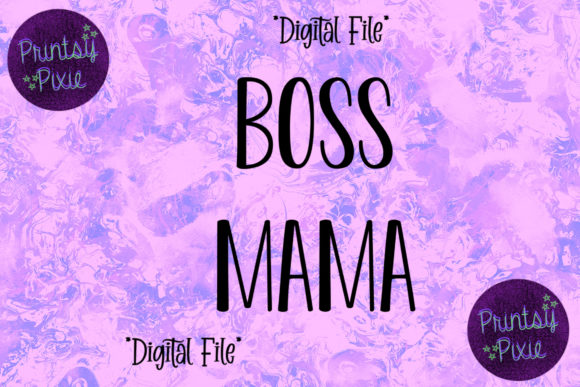
The first thing that strikes you about Boss Mama is its attitude. It balances boldness with approachability. In the world of Graphics and Crafts, many "boss" themed designs lean too hard into aggressive typography or overly complex illustrations that do not translate well to thread. This design, however, feels curated. The layout suggests a modern, confident aesthetic that appeals to a wide demographic, from new mothers reclaiming their identity to entrepreneurs running small shops.
Visually, the design relies on strong shapes rather than intricate, fragile details. This is a crucial distinction for embroidery. When I previewed the SVG File and Transparent Image File, I looked immediately for potential trouble spots: tiny corners that might flag, dense areas that could cause puckering, or thin lines that might break during washing. The silhouette appears robust, suggesting it was created with the limitations of thread in mind. It creates a mood of empowerment without sacrificing readability, which is essential for any personalized gift or custom apparel item.
Real-World Application: Where This Design Shines
I recently worked on a custom order for a local boutique owner who wanted to launch a line of empowering tote bags. She needed a design that would pop on canvas but remain durable through daily use. Boss Mama was an immediate contender. Because the design likely utilizes solid fills and clear outlines, it translates beautifully to medium-to-heavy weight fabrics.
For sweatshirt embroidery, this design is a standout. The bulk of a hoodie or crewneck provides a stable base for the stitches, allowing the thread colors to sit high and vibrant. I imagine this working exceptionally well with a satin stitch border to define the edges, giving the text or graphic a polished, professional finish. It is not just limited to apparel, either. As a tote bag design, it offers enough visual weight to be seen from a distance, making it effective for branding or statement pieces.
Consider also the holiday embroidery market. With Mother’s Day or birthdays approaching, a baby embroidery project featuring this motif on a onesie or bib could be a huge seller. However, scale is key here. On smaller items, you must ensure the design remains legible. If the original file is large, resizing it down for a baby cap requires careful checking of the stitch density to ensure it does not become a tangled mess.
Technical Considerations for the Stitcher
While the aesthetic is strong, the technical execution is where many designers stumble. Since the product description notes compatibility with software like Cricut Design Space and Silhouette, it is important to clarify the intended use. These are primarily cutting and print formats. If you are using this as a reference for manual digitizing or converting it for an embroidery machine, you must pay attention to the conversion process.
If you are purchasing this as a digital embroidery file specifically optimized for machines, always check the format. If you are converting the SVG yourself, remember that vector paths do not automatically equal good stitch paths. You will need to assign proper stitch types. Large areas should likely use a fill stitch with appropriate underlay to prevent shifting. Borders and text elements may benefit from a satin stitch for smoothness, provided the width is not too narrow for your needle to cover effectively.
Stabilizer choice is non-negotiable with a design of this nature. For stretchy fabrics like t-shirts or baby clothes, a cut-away stabilizer is mandatory to support the weight of the thread and prevent distortion after washing. For woven fabrics like tote bags or aprons, a tear-away might suffice, but I always recommend testing first. The fabric texture plays a huge role; a rough linen might swallow finer details, whereas a smooth cotton poplin will showcase the crispness of the design.
Navigating Potential Pitfalls
No design is perfect for every scenario. There are specific situations where you should use Boss Mama with caution. First, consider curved surfaces like caps. Embroidering on a curved brim requires careful hooping and often a different digitizing approach to account for push and pull factors. If the design has wide, solid blocks of color, it might pucker on a thin cap material unless properly stabilized and backed.
Second, be mindful of thread colors. High contrast is your friend. If you stitch a light-colored design on a dark fabric, you may need a backing layer or a different thread weight to ensure visibility. Conversely, stitching dark thread on dark fabric can result in a loss of definition. Always run a test stitch on scrap fabric of the same type and color as your final product. This simple step saves hours of frustration and protects your reputation as a small shop product creator.
Also, consider the washability. If this is going on a finished product that will be laundered frequently, such as a kitchen towel or baby item, ensure your stitch density is not so high that it creates a stiff, cardboard-like feel. Balance durability with comfort.
Commercial Value and Brand Consistency
For the commercial embroidery sector, consistency is currency. Using a design like Boss Mama can help establish a recognizable brand aesthetic. It speaks to a specific customer avatar: the modern, driven individual who values both style and substance. When used in printable mockup previews for your online store, ensure the mockup accurately reflects the texture of the stitches. Customers are savvy; they can tell the difference between a flat print and actual embroidery.
Before selling any handmade product featuring this design, you must confirm the licensing terms. The inclusion of SVG and transparent image files suggests versatility for various crafts, but commercial rights for physical goods versus digital resale can differ. Always read the license agreement provided by the creator. Assuming you have the right to sell finished items, this design offers a strong return on investment due to its broad appeal and relatively straightforward stitching requirements.
Final Verdict for Makers and Designers
In my evaluation, Boss Mama is a solid addition to your library of design assets. It is not overly complicated, which makes it accessible for beginners, yet it has enough character to satisfy experienced stitchers looking for impactful statements. It works best on stable, medium-weight fabrics where the stitches can lay flat and true.
My advice? Start with a custom apparel piece like a sweatshirt or a sturdy tote. Test your tension, choose high-quality rayon or polyester threads for sheen, and do not skimp on the stabilizer. If you treat the design with the respect it deserves, focusing on the technical details of hoop size and stitch path, you will end up with a finished product that looks professional and sells itself. Whether you are making a personalized gift for a friend or stocking your Etsy seller inventory, this design has the potential to be a reliable staple in your creative toolkit.