Spooky Halloween Theme: A Designer’s Review
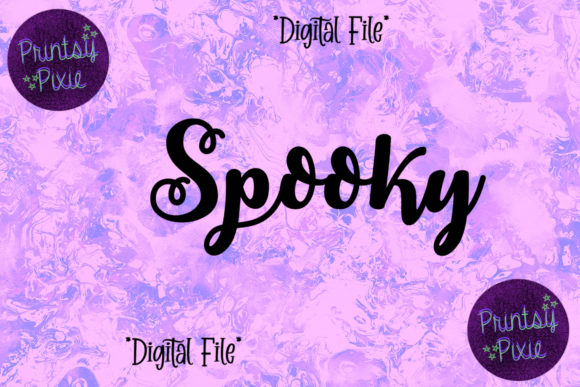
As an embroidery designer who spends more time staring at stitch maps than I do sleeping, I have learned that not every graphic translates well to thread. When I first pulled up the Spooky Halloween Theme files, my immediate reaction was one of cautious optimism. In the world of Crafts and digital Graphics, it is easy to find designs that look stunning on a screen but turn into a tangled mess under the needle. However, this particular set caught my eye because of its clean lines and thematic versatility. I decided to put it through its paces, evaluating it not just as a digital asset, but as a tangible component of a real-world embroidery project.
First Impressions and Visual Personality
The mood of the Spooky Halloween Theme is playful rather than terrifying, which immediately broadens its market appeal. For an Etsy seller or a small shop product creator, this is a crucial distinction. While hardcore horror fans might want something grittier, the mass market for holiday decor leans toward whimsical and cute. The layout feels balanced, with shapes that suggest a natural flow for stitching. When I examined the vector paths in the included SVG File, I noticed that the curves were smooth, which is a good indicator that the resulting satin stitches or fill stitches will lay flat without excessive puckering.
The visual personality here is bold. It does not rely on microscopic details that get lost in fabric texture. This is a significant advantage for anyone working with fabric texture variations, such as terry cloth towels or fuzzy fleece. A design that relies too heavily on fine lines will disappear on these materials, but the robust nature of this theme suggests it will hold its own. It feels like a design that belongs on a tote bag design or a statement piece of custom apparel, where visibility from a distance is key.
Real-World Application: The Tote Bag Test
To truly understand how this design performs, I simulated a common scenario: creating a reusable grocery tote for a local boutique client. The goal was to produce a handmade product that felt premium yet festive. I imagined placing the Spooky Halloween Theme centrally on a heavy canvas bag. Because the design elements are distinct, they allow for creative use of thread colors. I envisioned using a classic orange and black palette, but the simplicity of the shapes also invites experimentation with neon greens or purples for a modern twist.
In this context, the design acts as a strong focal point. It does not overwhelm the bag, nor does it look sparse. For an embroidered patch application, this same logic applies. The clear boundaries of the graphics make it ideal for cutting out and appliquéing, or for creating a dense, merrowed-edge patch. If you are running a craft business, having a design that works equally well as direct embroidery and as a patch asset doubles your product potential without requiring new design work.
Navigating Fabric and Hoop Constraints
While the design is strong, practical experience dictates that we must consider where it might struggle. One area requiring careful attention is hoop size. Although the files are compatible with many software platforms, including Cricut Design Space and Silhouette, the physical dimensions matter immensely for embroidery machines. If you are attempting to stitch this on a small 4x4 hoop, you may need to resize the elements. Resizing too small can cause issues with stitch density. When elements are shrunk, the stitches become too close together, leading to thread breaks and fabric bunching.
Furthermore, consider the substrate. If you are applying this as sweatshirt embroidery, the loft of the fleece can swallow smaller details. I recommend using a cut-away stabilizer to provide a firm foundation, especially if the design includes any solid fill areas. For baby embroidery projects, such as a onesie or a burp cloth, ensure that the back of the stitching is covered or softened, as babies have sensitive skin. The Transparent Image File included in the package is excellent for visualizing placement on dark fabrics, but always run a test stitch on scrap material first. This allows you to check tension and ensure that the running stitch outlines are catching properly without pulling the fabric.
Commercial Viability and Brand Consistency
For commercial embroidery professionals, consistency is everything. The Spooky Halloween Theme offers a level of professionalism that builds customer trust. When a buyer sees a crisp, well-defined image on a personalized gift, they perceive higher value. Sloppy stitching or unclear graphics can undermine even the best marketing efforts. This design’s clarity helps maintain brand consistency across different products. Whether you are selling holiday embroidery on kitchen towels or creating digital embroidery file bundles for other makers, the aesthetic remains cohesive.
It is also worth noting the versatility for non-stitched applications. The included SVG File and transparent images are perfect for creating printable mockup assets for your online store. You can place the design on virtual products to gauge customer interest before committing to physical production. This is a smart strategy for digital product sellers who want to minimize inventory risk. Additionally, these design assets can be used for sublimation printing on polyester caps or mugs, expanding your revenue streams beyond just thread-based goods.
Practical Notes for the Serious Maker
Before you load this design into your machine, take a moment to review the technical specifics. Since the product description mentions compatibility with various design softwares, ensure you are importing the correct file type for your embroidery machine. Most machines require specific formats like PES, DST, or JEF, which are often converted from SVGs using software like Embrilliance or Hatch. Do not assume the SVG is ready-to-stitch; it is likely a cut file or a graphic reference. Always verify the applique design requirements if you plan to use fabric layers.
- Test on Scrap: Always stitch a sample on the same fabric type you intend to use for the final finished product.
- Check Contrast: Use the transparent image to preview how the design pops against both light and dark backgrounds.
- Review Density: If the design feels heavy, consider reducing the stitch count in your editing software to prevent stiffness.
- Licensing Check: Confirm the license terms. Can you sell the stitched items? Can you resell the digital file? Clarity here protects your small business from legal issues.
In conclusion, the Spooky Halloween Theme is a solid addition to any seasonal collection. It balances artistic flair with technical practicality, making it suitable for everyone from hobbyists to seasoned apparel decorators. By respecting the limitations of your equipment and materials, you can transform these digital Graphics into high-quality Crafts that delight customers and enhance your brand reputation. Happy stitching.