Wine Mom: A Designer’s Take on Embroidery Appeal
As an embroidery designer who has spent years digitizing patterns and reviewing thousands of machine embroidery design files, I have developed a keen eye for what works in the real world. It is not just about how a graphic looks on a screen; it is about how those lines translate into thread, how they sit on fabric, and whether the final finished product holds up to customer expectations. Recently, I evaluated the Wine Mom design, a popular theme in the Crafts category, to determine its viability for serious craft businesses and hobbyists alike.
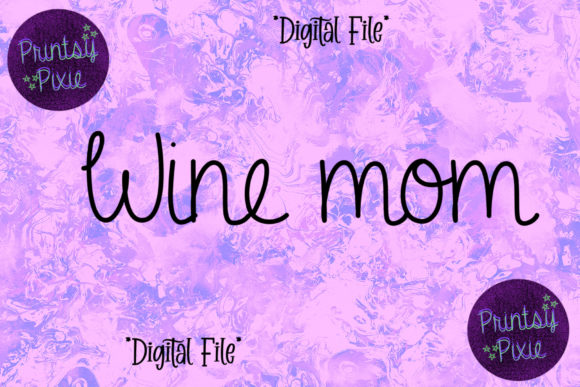
The first impression of Wine Mom is one of playful relatability. The theme taps into a well-established niche in modern humor and lifestyle branding. Visually, the layout tends to balance bold typography with iconic imagery, such as wine glasses or bottles. For a reviewer, the immediate question is always about balance. Does the text overpower the graphic? Is the spacing tight enough to look cohesive but loose enough to prevent thread bunching? In this case, the design presents a clean, confident personality that fits naturally into casual, lifestyle-oriented projects.
Real-World Application: The Tote Bag Test
To truly understand the value of any embroidery file, you must imagine it in a specific context. I visualized using Wine Mom on a heavy canvas tote bag. This is a staple item for many Etsy sellers and boutique owners. On a textured canvas, the design needs sufficient density to stand out without sinking into the weave. The bold nature of this theme suggests it would perform well here, offering high visibility and immediate recognition.
However, the application extends beyond totes. Consider sweatshirt embroidery. A cozy, oversized crewneck featuring this design appeals directly to the target demographic. Here, the challenge shifts to handling the stretch and pile of the fabric. If the design relies heavily on intricate satin stitch borders, it might pull slightly on softer knits. A well-digitized version should account for this by using appropriate underlay stitches and perhaps incorporating some running stitch details to reduce bulk. For a personalized gift, this versatility is a major selling point.
Navigating Fabric and Hoop Constraints
One of the most critical aspects of reviewing Graphics for embroidery is understanding where the design might fail. While Wine Mom is visually striking, it requires careful consideration regarding hoop size and fabric type. If you are working with a small 4x4 inch hoop, you must ensure that the scaled-down version retains legibility. Tiny serifs or thin lines in the lettering can disappear or break during stitching if the design is reduced too much.
Textured fabrics present another hurdle. On a waffle-knit towel or a rough linen apron, fine details can get lost. I recommend using a cut-away stabilizer for these materials to provide a firm foundation. Conversely, on smooth, thin fabrics like a baby onesie or a lightweight t-shirt, the design must not be too dense. Excessive stitch density can cause puckering, ruining the aesthetic of what should be a cute, lighthearted baby embroidery project or a comfortable tee. Always test on scrap fabric first to gauge how the thread interacts with the material.
Commercial Viability for Small Shops
For craft business owners, the commercial potential of Wine Mom is significant. It fits seamlessly into categories like holiday embroidery gifts, bachelorette party favors, or Mother’s Day specials. The key to success lies in presentation. When listing this as a small shop product, your mockups must reflect high quality. Use printable mockup tools to visualize the design on various items, from embroidered patch applications to full-front custom apparel.
Customer trust is built on consistency. If the design looks crisp in your photos but arrives with loose threads or misaligned elements, your brand reputation suffers. Therefore, inspecting the digital embroidery file before production is non-negotiable. Check the color transitions. Does the design rely on complex fill stitch areas that might require frequent thread changes? If so, factor that labor cost into your pricing. A design that looks simple but requires ten color stops is less profitable than one that achieves impact with fewer changes.
Technical Notes for Designers
Before committing to a large batch of commercial embroidery projects, take time to review the technical specifications. The product description notes that you will receive the design in SVG and Transparent Image formats, compatible with software like Cricut Design Space and Silhouette. However, for machine embroidery, you need to confirm if actual embroidery file formats (such as PES, DST, or JEF) are included or if you are expected to convert these graphics yourself. This distinction is vital. An SVG is a vector graphic, perfect for cutting vinyl, but it is not a stitch file. If you are an embroiderer, ensure you have the correct digitized format for your machine.
If you are using this as a reference for hand embroidery or applique, the transparent image file can serve as a excellent template. For applique design workflows, you might use the graphic to cut fabric shapes, then stitch around them. This method reduces stitch count and creates a different texture, ideal for larger items like pillow covers or blankets. Always verify licensing terms. Can you sell finished items made with this design? Can you resell the digital file? Clarifying these rights protects your design assets and your business integrity.
Enhancing Visual Appeal and Branding
The mood of Wine Mom is cheerful and relaxed, which should influence your choice of thread colors. Traditional reds and purples work for the wine elements, but consider contrasting shades for the text to ensure readability. On dark garments, a metallic or bright white thread can make the design pop, adding a touch of sophistication to a humorous quote. This attention to detail elevates the piece from a simple novelty item to a stylish accessory.
For handmade product sellers, the perceived value is tied to execution. A cleanly stitched design on a well-chosen garment suggests professionalism. Whether you are creating items for a local craft fair or shipping globally via Etsy, the quality of the embroidery reflects your brand. Use this design to create cohesive collections. Pair it with complementary motifs or offer it in a bundle with other lifestyle-themed graphics. This strategy increases average order value and encourages repeat customers.
In conclusion, Wine Mom offers strong potential for a variety of embroidery projects, from casual wear to home decor. Its success depends on thoughtful application, proper technical preparation, and an understanding of your audience. By treating the design with professional care—checking stabilizers, testing fabrics, and verifying file formats—you can create high-quality products that resonate with buyers. Remember, the best designs are those that not only look good on screen but also stand the test of time in thread.